A Strong Trade & B2B Profile Still Delivers
Trade Media and the New Authority Economy
For years I have advised clients chasing national news and consumer profile to start somewhere less glamorous: their own industry's trade media. It is never greeted with much excitement, and especially not by a brand manager or marketing director with their eye on reach and a sexy front page splash. But the reality has always been the same. National, regional and lifestyle journalists are interconnected with trade media. They read it, they subscribe to it, and they use it to check who is credible in a sector before they write about it.
Trade Media is a Gateway to Consumer media.
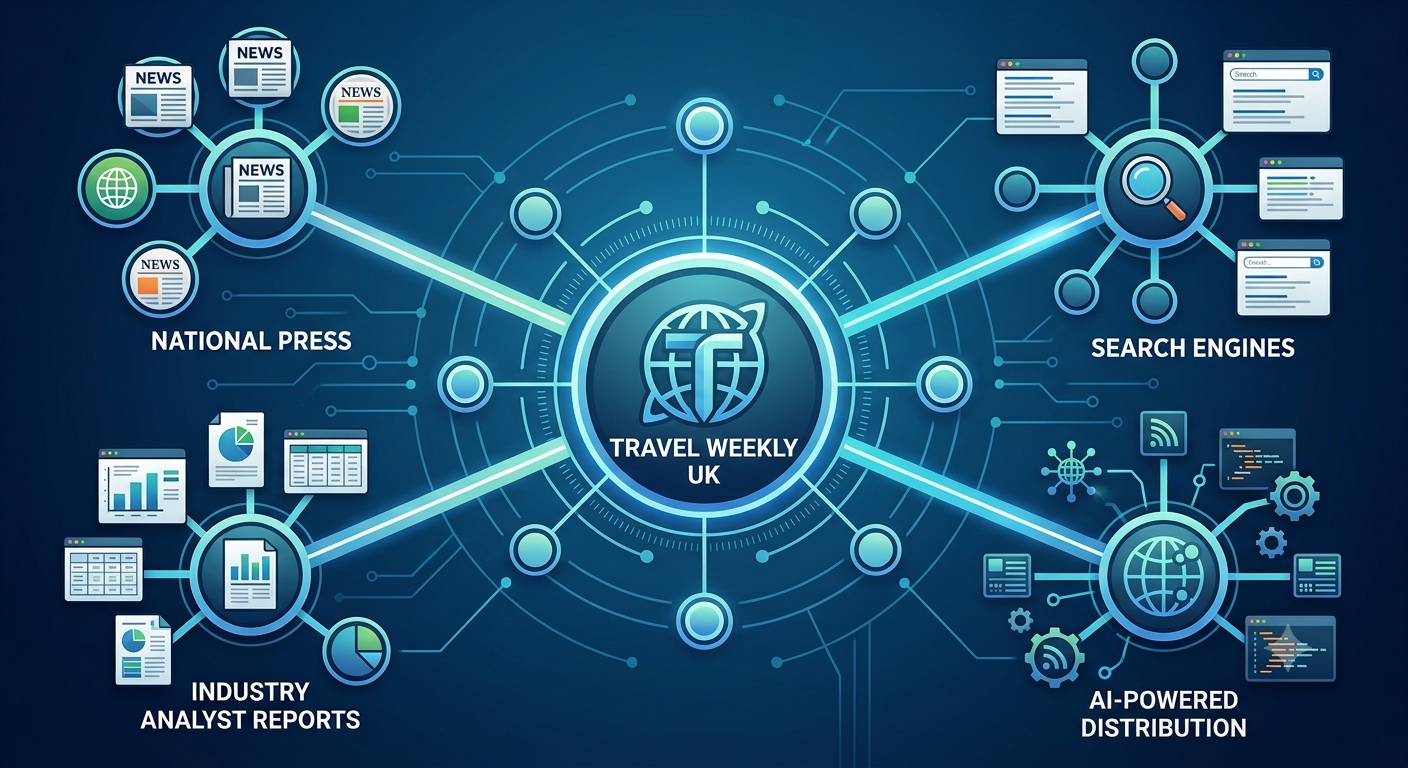
Trade and B2B media have always been quietly powerful routes into consumer coverage. Then it became something else again: invaluable support for organic search, the kind of earned, specialist coverage that search engines treated as a genuine trust signal rather than marketing noise. And now, it has become something else once more. It is increasingly the material that LLMs draw on to educate themselves, serving up credible, trusted information about a business to anyone who asks. The same case I have been making for years, just with a new audience that happens not to be human.
Now Trade Shapes How You Show Up.
A procurement director asking an AI tool to summarise the best providers in a category, a journalist backgrounding a story, a board member sense-checking a market before a deal. All of this is happening quietly and constantly, largely invisible to the brands being judged. And the models doing this judging do not weigh all sources equally. They weight domain authority, and they weight it by topic.
This matters enormously for trade press. The models treat coverage in respected, narrow-focus industry titles as a strong trust signal precisely because that coverage is independent, specialist and hard to buy. A mention in a general consumer title carries weight. A mention in the publication that the whole sector reads, the one staffed by journalists who would notice if a claim didn't stack up, carries more. The model is, in effect, doing what a good opinion former always did: checking who else is saying this, and whether the source has earned the right to be believed.
Check the LLM Rankings
Different models weight this differently, and clients should know that rather than assume one AI behaves like another. Some lean heavily on broad platforms like Wikipedia and Reddit for general consensus. Others put more emphasis on named-expert commentary and structured, specialist content when the query sits inside a defined professional category. None of them treat a brand's own website as sufficient proof of anything. The brand has to be validated by someone else first. That someone else, for most of our clients, is trade media.
There is a second layer to this, and it is the one that matters most for reputation rather than just visibility. Key opinion formers, the analysts, the senior journalists, the conference chairs, the people whose view of a company shapes how the rest of the sector views it, are themselves influenced by what surfaces when they check a brand. If the AI tools they use return a thin, inconsistent, or absent picture, that gap reads as a weak market position even when the underlying business is strong. Profile in trade media is no longer just about being seen by the right human readers on the day of publication. It is about laying down a durable, citable record that keeps working long after the story has dropped off the page.
Trade Media as Trust Builder
For clients sitting at director level, the practical implication is straightforward. Earned coverage in respected trade titles is doing two jobs at once now: building reputation with the human audience that reads it today, and building the evidence base that AI systems will cite when someone, somewhere, asks a question about your sector next year. Original data, named-expert commentary, and a consistent, well-corroborated profile across several specialist titles do more for long-term authority than a larger volume of generic, single-source coverage ever will.
The companies that understand this are not changing what good PR looks like. A well-placed story in the right trade title, with a credible spokesperson and a claim that holds up, was always the right strategy. What has changed is the size of the prize. That same story is now informing not just the readers in front of it, but every AI-mediated conversation about that sector that follows.
My Advice?
Prioritise trade titles with genuine specialist standing over volume placements, put a named, credible spokesperson behind every major claim, and treat consistency across coverage as a deliverable in its own right, not a happy accident.
If you want to chat this through with someone that can help clarify the complex. Give me a shout!