
Who Tells Your Story When AI Does the Searching?
The case for earned, not generated
In early 2026, the PRCA PR’s new definition signals a shift from outputs to reputation and outcomes | PRCA Global reframed public relations as a strategic management discipline, one that builds trust, enhances reputation and helps leaders navigate complexity and volatility. It is a definition that feels both overdue and completely necessary. Because if there is one thing AI is changing faster than anything else, it is trust.
The trust gap is widening
AI has fundamentally changed the pace, scale and nature of communication. Content is no longer scarce. Messages are no longer crafted slowly. And audiences are no longer passive. They are sceptical, alert and increasingly difficult to convince.
Research consistently shows that people are uneasy about how AI is being used, concerned about data, manipulation and authenticity. A significant proportion will disengage from brands that are not transparent about it. At the same time, AI is amplifying everything. Every mention, every review, every piece of earned coverage is being aggregated and surfaced by machines as a proxy for reputation. Trust is no longer built only between organisations and people. It is now mediated by machines as well.
PR moves to the centre and to the board
When the PRCA definition talks about helping leaders interpret complexity and manage volatility, it is describing exactly what organisations are now facing.
AI has introduced new layers of risk: misinformation at scale, loss of message control, blurred lines between real and synthetic content, and greater scrutiny from employees, customers and regulators.
But the case for PR at board level goes beyond risk management. In a world where communication is instant and reputation is perpetual, the communications function has a moral role to play. It should help leadership act as a genuine force for good, not just earning visibility and credibility but ensuring what the organisation says and what it does are the same thing. Boards that treat PR as a megaphone are missing the point. Those that treat it as a moral compass are ahead of the curve.
Reputation is now an algorithmic asset
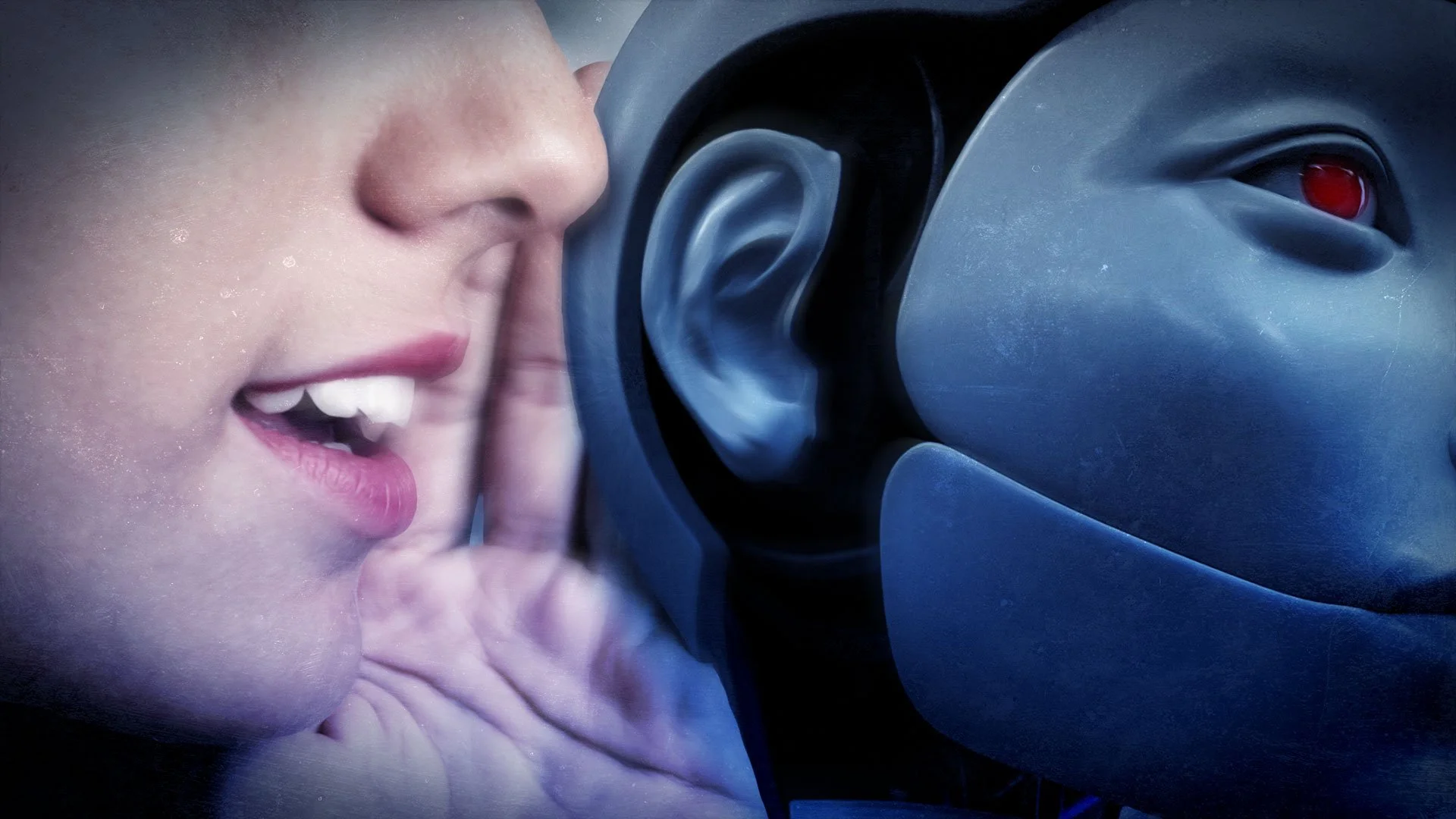
When someone asks an AI tool about your business, it does not show them a list of links. It tells them a story. And that story is built on what the system can find, verify and trust.
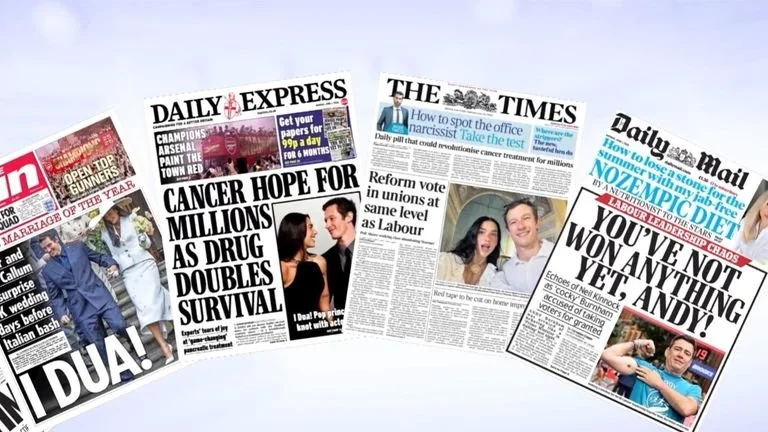
This is where earned media and online visibility become genuinely strategic. Third-party coverage in trade titles, national press, industry publications and credible online platforms signals legitimacy in a way no owned channel can replicate.
The same is true for content creators and specialist voices. When credible figures in your sector write about, reference or engage with your organisation, those signals carry real weight with audiences and with the algorithms that shape what those audiences see. A well-placed byline, a podcast appearance, a thoughtful collaboration with a respected creator can do more for long-term reputation than a paid campaign.
Earned media matters more, not less. Third-party credibility cannot be manufactured. And weak or purely self-published messaging tends to get amplified for the wrong reasons, particularly when it is out of step with what has been said or published elsewhere. This is where communications oversight across all channels becomes critical. Joining messages up for consistency is one of the first things to suffer when organisations operate in silos, and one of the most damaging.
PR's traditional strengths — building genuine relationships with journalists, editors, analysts and creators — are now directly connected to how organisations are found, seen and trusted at scale. Alongside that sits the radar role: constantly scanning the horizon so a business is prepared for what is coming, not just reacting to it. It is, in short, how good communications earns its seat at the table.
Sky News Mondays Front Pages
Third-party opinion and endorsement
As content becomes easier to produce, authenticity becomes harder to prove. Audiences are already detecting when messaging feels generic or disconnected from a brand's true voice. And increasingly, they are looking beyond the organisation itself for validation.
That is why third-party endorsement — from journalists, analysts, creators, customers and peers — carries more weight than ever. It is not just a credibility signal to human audiences. It is also the kind of verified, independent evidence that AI systems prioritise when building a picture of who you are and whether you can be trusted.
This is the central paradox of AI. The more automated communication becomes, the more valuable human judgement, empathy and clarity become. For communications leaders, the question is no longer only how to use AI. It is also what must remain human. Because trust is built through context, not just content. Judgement, not just data. Consistency, not just scale.
Transparency is now a strategic choice
Audiences want to know when AI is being used. They want clarity on how decisions are made and honesty about limitations. Research shows that most people are more likely to trust organisations that are open about their use of AI. This is not about compliance. It is about credibility and making sure the story matches the reality.
A moment of responsibility
AI will continue to evolve. The information ecosystem will become more complex. Trust will become harder to earn and easier to lose.
Which means PR and communications has a clear responsibility: to lead, advise and challenge, and to ensure that in a world where machines increasingly shape perception, the human work of building genuine ethical reputation remains at the centre.
If you want to think through how to shape your communications strategy, build a stronger reputation or guide your team through this, we are always happy to chat. hello@force4goodconsultancy.com